
Total Vibrio and Total Bacterial Counts: Decisive Diagnostics for Aquaculture and Post-Larvae Health
Vibrio acts as an invisible killer driving White Spot Disease (WSD) and Early Mortality Syndrome (EMS) in shrimp. Regularly monitoring both Total Vibrio Count (TVC) and Total Bacterial Count (TBC) delivers critical early warnings against disease outbreak risks. Pathogen-carrying post-larvae (PL) trigger catastrophic, explosive mortality shortly after stocking; screening is the definitive countermeasure to eliminate these “congenital infections” at the source. DHelix Laboratory provides professional-grade molecular diagnostic solutions to help you secure biosecurity and optimize farming safety from day one.
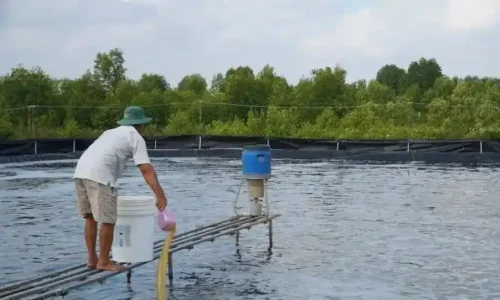
- Primary Pathogenic Vector: Genera within the Vibrio family—such as V. parahaemolyticus, V. harveyi, and V. alginolyticus—are confirmed pathogens responsible for Early Mortality Syndrome (EMS), White Feces Syndrome (WFS), and Black Gill Disease. Uncontrolled Vibrio proliferation inevitably culminates in systemic disease outbreaks.
- Water Quality Health Biomarker: TVC levels serve as a direct proxy for potential pathogenic pressure within the ecosystem. Cultivation waters must be strictly regulated to maintain Vibrio populations below established biosecurity thresholds.
- Preemptive Outbreak Prevention: Longitudinal surveillance provides an early-warning window. This empowers farmers to curb Vibrio replication early via microbial modulation or targeted sanitization, bypassing catastrophic losses.
- Microbial Ecology Balance: TBC monitors the structural stability of the microbiome, accounting for both beneficial and harmful microorganisms. A resilient aquaculture ecosystem requires beneficial cohorts (e.g., Bacillus spp., nitrification networks) to remain the dominant taxa.
- Ecosystem Metabolic Capacity: TBC correlates directly with the degradation efficiency of organic loading. Excessively high counts signal organic pollution (e.g., unconsumed feed, accumulated feces), while depleted counts indicate a stagnant, biologically inactive microbial community.
- Synergistic Vibrio Control: If Vibrio species comprise a disproportionate ratio of the overall microbiome , the pond presents a high-risk profile even if the absolute TBC value appears moderate.
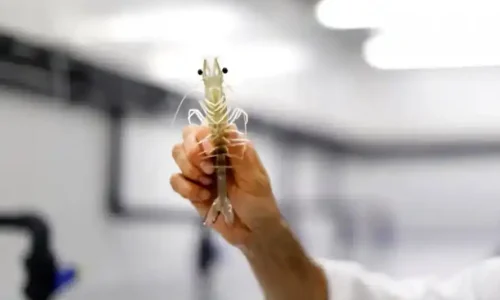
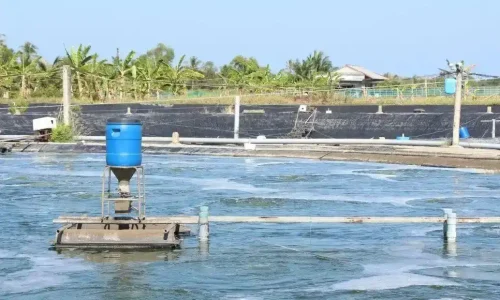
III. Crucial Objectives of TVC and TBC Screening During the Post-Larvae (PL) Stage: Eradicating Congenital Pathogens to Avoid Irreversible Economic Loss1. Mitigation of Pathogen Carrier RisksPost-larvae can arrive from hatcheries heavily colonized by high concentrations of virulent Vibrio strains (e.g., Vibrio harveyi, Vibrio parahaemolyticus) or other opportunistic pathogens. These bacteria establish internal colonization within critical target organs, including the hepatopancreas and digestive tract, resulting in endogenous infections.While infected PL cohorts may appear morphologically healthy during visual inspection, the environmental stress of pond stocking (e.g., temperature shifts, salinity fluctuations) compromises their immune defense. This triggers rapid, logarithmic bacterial replication inside the host, causing acute, explosive mortality within 7 to 40 days post-stocking—a stage where therapeutic interventions are completely ineffective.2. Auditing Hatchery Biosafety ComplianceTVC and TBC values function as an objective “litmus test” of hatchery operational management and biosecurity protocols:Elevated Vibrio Loads: Signal substandard water quality management or the indiscriminate abuse of antibiotics (which temporarily suppresses symptoms but induces severe dysbiosis and antimicrobial resistance).Anomalously Depleted TBC: Indicates aggressive over-sanitization or heavy antibiotic prophylactic usage. This obliterates the natural protective microflora, leaving the PL highly vulnerable to environmental stressors and post-stocking shocks.Therefore, diagnostic screening of TBC and TVC provides an objective, empirical matrix for validating post-larvae quality and selecting premium, high-survival seed.3. Prognosis of Post-Stocking Survival and Zootechnical PerformanceSub-clinically infected PL that survive initial stocking shocks frequently suffer from chronic health depression. This manifests as poor feed conversion ratios (FCR), stunted growth trajectories, incomplete ecdysis (molting issues), and size non-uniformity. Consequently, this extends the production cycle, inflates feed overheads, reduces biomass at harvest, and severely erodes profitability.IV. Diagnostic Sample MatricesComprehensive diagnostics require sampling key vectors across the farming environment and the host organisms:Water Samples: Collected from the mid-water column to prevent interference from surface foam or benthic sludge. Ideal for monitoring closed or semi-closed aquaculture systems (e.g., Babylonia areolata, finfish, and bivalve operations) to quantify free-floating planktonic Vibrio and TBC.Sediment Samples: Pond-bottom sludge concentrates heavy organic matter, acting as a primary incubation zone for Vibrio. Assessing benthic core samples evaluates the baseline biological risks at the soil-water interface.Aquatic Organisms (Adult Shrimp & PL Matrices): Targeted extraction of internal tissues (hepatopancreas, intestine, and gills) via sterile dissection isolates tissue-endogenous bacterial loads.Whole-PL Homogenization Protocol: Randomly pool a statistically significant cohort (e.g., 50–100 post-larvae), execute sterile grinding/homogenization, and prepare serial dilutions for downstream processing. This specific methodology quantifies internally colonized Vibrio and bacterial populations within the hepatopancreas and gut track, delivering the highest accuracy and early-warning utility.(Note: PL screening represents the most vital, cost-effective, and powerful milestone in preventive aquaculture, enforcing biosecurity directly at the source.)Biofilm Samples: Scrapings from pond liners, paddlewheel aerators, and infrastructure surfaces to monitor structural bacterial reservoirs.
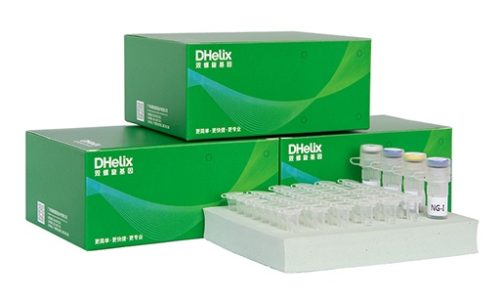
Related Shrimp qPCR Detection Kits
- Necrotizing Hepatopancreatitis Bacterium (NHPB) Detection Kit
- Enterocytozoon Hepatopenaei (EHP) Detection Kit
- White Spot Syndrome Virus (WSSV) Detection Kit
- Acute Hepatopancreatic Necrosis Disease (AHPND/EMS) Pathogen Detection Kit
- Infectious Myonecrosis Virus (IMNV) RNA Detection Kit
- Decapod Iridescent Virus 1 (DIV1) Detection Kit
- Vibrio parahaemolyticus(VP) Detection Kit
- Infectious Hypodermal and Hematopoietic Necrosis Virus (IHHNV) Detection Kit
- Enterocytozoon Hepatopenaei (EHP-SWP) Detection Kit
- Penaeus Vannamei Nodavirus (PvNV)RNA Detection Kitt
- Paranophrys carcini Detection Kit
- Thiothrix Detection Kit
- Lecethrisx mucor Detection Kit
- Macrobrachium Rosenbergii Nodavirus (MrNV) RNA Detection Kit
- Hepatopancreatic Parvovirus (HPV) Detection Kit
- Shrimp Hemocyte Iridescent Virus (SHIV) Detection Kit
- Baculovirus Penaei (BP) Detection Kit
- Covert Mortality Nodavirus (CMNV) RNA Detection Kit
- Yellow Head Virus (YHV) RNA Detection Kit
- aura Syndrome Virus (TSV) RNA Detection Kit