
Analysis of False Positive and False Negative Errors in Portable Mini-PCR Field Detection for Shrimp Diseases and Solutions
Portable mini-PCR devices are widely used for the on-site diagnosis of shrimp diseases at ponds due to their speed and convenience. These devices detect common pathogens and viruses, such as WSSV, EHP, and AHPND, in both water and shrimp tissues. However, compared with standard laboratory PCR detection systems, field-based mini-PCR testing is more susceptible to false positive and false negative results. These errors can misguide farming management and disease control decisions, leading to unnecessary production losses. This article analyzes the causes and consequences of these diagnostic errors in mini-PCR field testing and proposes targeted optimization solutions.

1. Mini-PCR Field Testing: Convenience vs. Trust ChallengesPortable mini-PCR devices have become standard tools for disease monitoring across major shrimp farming regions. Compared with traditional laboratory testing, these devices shorten the detection cycle. Farmers can complete sample testing within 30 to 60 minutes to determine whether the culture water or shrimp body carries the target pathogens. This eliminates the lengthy process of sending samples out and waiting for reports, improving the timeliness of disease monitoring.However, this efficiency introduces accuracy risks. Field-based mini-PCR results are not absolutely precise and do not always reflect the actual health status of the pond. Discrepancies in test results can lead to incorrect management decisions. A false positive may prompt premature harvesting, unnecessary pond clearing, or excessive chemical disinfection. Conversely, a false negative creates a false sense of security, allowing latent infections to spread and potentially causing large-scale disease outbreaks that disrupt production.Although PCR technology remains a gold standard in molecular diagnostics, its application in field testing often yields errors. The main variance stems from the difference in environmental conditions, operational workflows, and standardization between field setups and professional laboratories.
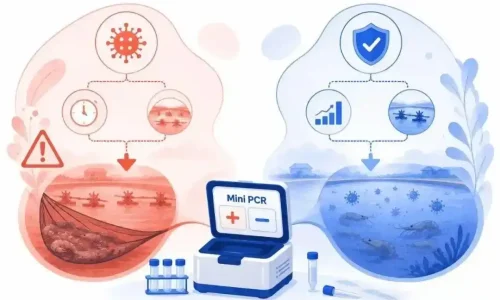
2. False Positive Errors: Positive Results Without Active InfectionsA false positive occurs when a test indicates the presence of a pathogen, but the pond is free from active infection or transmission risk. This error is driven by four primary technical and environmental factors:Cross-contamination by amplification products (the primary cause): PCR technology features high sensitivity. The presence of trace amounts of target DNA fragments in the reaction system can trigger a positive signal. A single PCR run generates millions to billions of pathogen DNA copies, which easily disperse into the surrounding environment. In simple field testing scenarios at a pond, sample processing, equipment operation, and reagent storage are handled on a single workbench without laboratory-grade air purification or physical isolation. Residual amplification products can easily enter subsequent samples, causing uninfected samples to test positive.Inability to distinguish the viability of pathogen DNA: Many farmers equate a positive PCR result with an active, infectious disease. However, PCR technology only detects the genetic material of a pathogen and cannot verify whether the organism is alive. After a pond is disinfected with chlorine- or iodine-based agents, the pathogens are inactivated and lose their infectivity, but their DNA fragments remain in the water, sediment, and shrimp tissues for an extended period. Testing during this window will still detect residual dead DNA, triggering a positive signal and causing misinterpretation.Interference from endogenous viral elements in the shrimp genome: Studies confirm that certain shrimp populations carry endogenous viral elements (EVEs) integrated into their genomes during evolution. These fragments originate from ancient viruses and are fixed parts of the shrimp genome with no viral activity or infectivity. If a test kit’s primers target and amplify these specific gene regions, the result will show a positive even if the shrimp is free from active virus. This interference is particularly prominent in tests for common shrimp diseases like WSSV and IHHNV.Cross-reaction with non-target organism genes: Older generations of PCR test kits often select highly conserved sequences shared across various microorganisms, resulting in insufficient specificity. Genetic fragments from fungi, microsporidia, or other aquatic life in the water can bind non-specifically with the kit’s primers, leading to false positives in the absence of the target pathogen.
3. False Negative Errors: Latent and Severe Diagnostic DeviationsCompared with false positives that increase operational costs, false negatives are more hidden and destructive. A false negative causes farmers to overlook latent diseases, miss the optimal prevention window, and allow pathogens to spread. It is a major driver of large-scale disease outbreaks in shrimp farming and is caused by four main factors:Pathogen load below the detection limit during early infection: In the initial stages of an infection, the number of pathogens (such as viruses or fungal spores) in the water and shrimp tissues is extremely low. When the pathogen load falls below the minimum detection limit of the mini-PCR device, the amplification reaction cannot generate a detectable signal, resulting in a negative reading that misses early latent infections.PCR reaction inhibitors in aquaculture samples: Key diagnostic samples in shrimp farming (such as hepatopancreas, pond water, and bottom sediment) commonly contain PCR inhibitors. These include humic acids, polysaccharides, lipids, residual disinfectants, and water treatment chemicals. These substances inhibit the activity of the PCR polymerase, weakening or completely blocking the gene amplification process. Consequently, the device fails to detect positive signals even when active pathogens are present.Mutations in pathogen target gene sites: Aquatic pathogens like viruses and bacteria exhibit high frequencies of genetic mutation. If a mutation occurs at the primer or probe binding site, the gene amplification efficiency of the test kit decreases significantly. Traditional test kits with fixed sequence designs cannot adapt to mutated pathogen genes, allowing new variants to evade detection and resulting in false negatives.Incorrect selection of target genes and sampling sites (the most common cause): Different shrimp pathogens colonize specific parts of the shrimp body. Selecting the wrong sampling site or target gene leads directly to missed detections. Precision sampling sites for common pathogens include:WSSV (White Spot Syndrome Virus): Colonizes the shrimp gills, cuticle, and upper intestinal tissues.IHHNV (Infectious Hypodermal and Hematopoietic Necrosis Virus): Present primarily in the hemolymph, gills, and subcuticular connective tissues.AHPND (Acute Hepatopancreas Necrosis Disease): Concentrated in the hepatopancreas tissue.
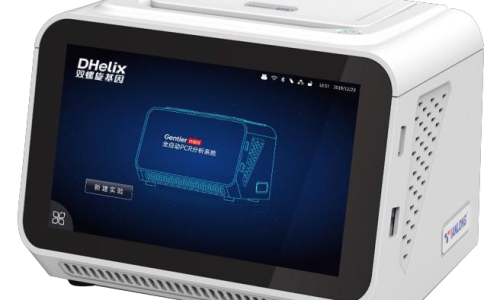
4. Why Field Mini-PCR Error Rates Exceed Laboratory TestingAt the hardware level, the detection accuracy of portable mini-PCR instruments is comparable to standard laboratory PCR equipment. The performance gap is caused entirely by differences in the operational environment and protocols, rather than hardware defects.Standardized laboratories implement comprehensive contamination control frameworks. The workflow is divided into independent zones for reagent preparation, sample extraction, amplification detection, and product analysis. It utilizes a unidirectional, closed-loop process flow combined with professional air filtration and disinfection equipment to eliminate cross-contamination and manual errors.In contrast, field testing conditions at a pond are simple. Sample collection, DNA extraction, reagent preparation, and gene amplification are all performed within a single, unseparated space near the pond. The lack of zoning, isolation, and clean environments increases the risks of cross-contamination, non-standard operations, and environmental interference, leading to higher error rates than in laboratory environments.
5. The Economic Cost of Detection ErrorsDetection errors from mini-PCR devices do not cause direct losses on their own; instead, they misguide management decisions, triggering irreversible financial damage. The impact varies by error type:Direct losses from false positive results: These lead to unnecessary preventative actions, including premature harvesting of undersized shrimp, destruction of healthy post-larvae, and indiscriminate chemical disinfection of ponds. These actions increase expenditures on chemicals, labor, and stock, causing operational losses.Latent losses from false negative results: These hazards are more persistent and widespread. They cause farmers to lower their biosecurity vigilance, allowing pathogens to multiply and trigger full-scale disease outbreaks that reduce shrimp survival rates. Furthermore, pathogens can spread across adjacent ponds via water networks and shared equipment, causing regional disease outbreaks and large-scale commercial losses.
6. Comprehensive Management Solutions for Field PCR Detection ErrorsNew-generation portable PCR systems have incorporated technical iterations to optimize detection accuracy and reduce error risks. Key technical solutions include: using dUTP-UNG enzymatic digestion to clear residual exogenous DNA from previous tests to prevent cross-contamination; using inhibitor-tolerant polymerases to neutralize interference from impurities in aquaculture samples; upgrading to high-specificity primers and multiplex PCR designs to avoid non-target cross-reactions and accommodate mutated strains; and formulating reagents with thermal stability to ensure consistent performance in complex field environments.However, technical optimizations only resolve hardware-level errors. Human operation and situational judgment remain the core factors in controlling variance. Standardized sample collection, sterile procedures, correct target site selection, and objective data interpretation are fundamental to reducing field errors.Portable PCR technology has lowered the barriers to molecular diagnosis, bringing precise and rapid disease monitoring directly to the frontlines of aquaculture. This has changed disease control models in shrimp farming. Nevertheless, these devices are not absolutely precise, stand-alone tools, and their results should not serve as the sole basis for decision-making. Farmers need an integrated management approach that combines mini-PCR data with field observations, including pond water quality, shrimp growth dynamics, and local disease trends, supplemented by laboratory validation when necessary. Combining technology, field observation, and professional verification maximizes the benefits of mini-PCR systems, minimizes misinterpretation risks, and supports precise aquaculture management.
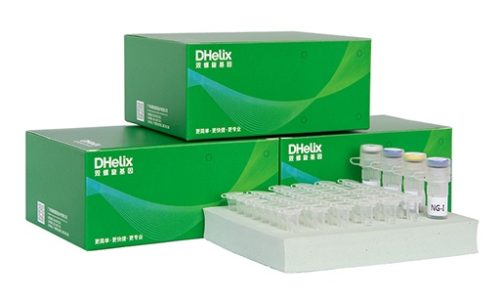
Related Shrimp qPCR Detection Kits
- Necrotizing Hepatopancreatitis Bacterium (NHPB) Detection Kit
- Enterocytozoon Hepatopenaei (EHP) Detection Kit
- White Spot Syndrome Virus (WSSV) Detection Kit
- Acute Hepatopancreatic Necrosis Disease (AHPND/EMS) Pathogen Detection Kit
- Infectious Myonecrosis Virus (IMNV) RNA Detection Kit
- Decapod Iridescent Virus 1 (DIV1) Detection Kit
- Vibrio parahaemolyticus(VP) Detection Kit
- Infectious Hypodermal and Hematopoietic Necrosis Virus (IHHNV) Detection Kit
- Enterocytozoon Hepatopenaei (EHP-SWP) Detection Kit
- Penaeus Vannamei Nodavirus (PvNV)RNA Detection Kitt
- Paranophrys carcini Detection Kit
- Thiothrix Detection Kit
- Lecethrisx mucor Detection Kit
- Macrobrachium Rosenbergii Nodavirus (MrNV) RNA Detection Kit
- Hepatopancreatic Parvovirus (HPV) Detection Kit
- Shrimp Hemocyte Iridescent Virus (SHIV) Detection Kit
- Baculovirus Penaei (BP) Detection Kit
- Covert Mortality Nodavirus (CMNV) RNA Detection Kit
- Yellow Head Virus (YHV) RNA Detection Kit
- aura Syndrome Virus (TSV) RNA Detection Kit