
Hepatopancreas Enlargement: A "Red Alert" for Shrimp Immune System Collapse—Do You Know How to Solve It?
The hepatopancreas is the “barometer” of shrimp health, and its enlargement warns of an 80% mortality risk. Occurring frequently during the high-incidence period from 2 weeks to 2 months of culture, rapid identification relies on a three-step method: observing color and morphology, monitoring behavioral abnormalities, and comparing with healthy individuals. The key to prevention and control is early detection and rapid damage mitigation through a three-pronged approach: water exchange, disinfection, and probiotics replenishment, paired with hepatoprotective agents and nutritional reinforcement. Building a long-term prevention system ranges from selective post-larvae breeding to fine-tuned management.
As the core organ combining digestion, nutrient metabolism, and immune defense in Litopenaeus vannamei (Pacific white shrimp), the hepatopancreas acts as the ultimate “barometer” of shrimp health. Under high-density industrial aquaculture systems, driven by multiple compounding factors such as pathogen invasion, environmental stress, and improper feed management, hepatopancreas enlargement has become a highly prevalent “early-warning disease” in shrimp farming.
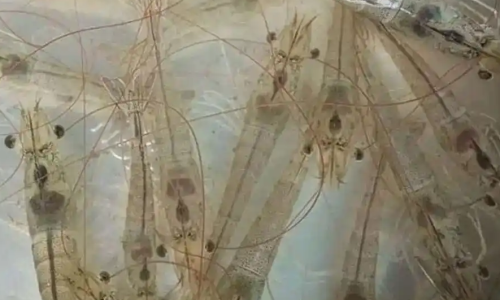
I.Hepatopancreas Enlargement: A “Red Alert” for Shrimp Immune System CollapseThe hepatopancreas of Litopenaeus vannamei consists of dozens of blind tubular hepatic tubules, performing the dual functions of both the liver and pancreas found in higher animals:Digestion and Nutrient Storage: It secretes digestive enzymes such as proteases, amylases, and lipases to break down and absorb proteins, carbohydrates, and lipids from feed. Concurrently, it stores nutrients like glycogen and vitamins to provide essential energy for shrimp growth.Immune Defense: The hepatopancreas is the primary production site for shrimp immune cells (such as granular cells and hyaline cells). It synthesizes immunoreactive substances, including antimicrobial peptides (AMPs) and lysozymes, to resist pathogen invasion.In a healthy state, the shrimp hepatopancreas appears a uniform amber-brown or chocolate-brown color, with a complete, transparent capsule and a moderate volume proportionate to the cephalothorax, never extending past the gill margins.
When hepatopancreas enlargement occurs, it indicates that the cells have undergone edema, degeneration, or even necrosis—this is the shrimp’s critical “SOS signal.” At this stage, digestive efficiency drops sharply, feed conversion ratio (FCR) spikes, and growth rates decelerate. More critically, the collapse of this immune barrier leaves the shrimp highly vulnerable to secondary lethal infectious diseases, such as Vibriosis and White Spot Syndrome Virus (WSSV). Clinical data shows that hepatopancreas enlargement serves as a prelude to large-scale disease outbreaks; approximately 80% of shrimp mortality cases can be traced back to early-stage hepatopancreatic dysfunction.II. Advanced Early Diagnostic Solutions by DHelixTo mitigate these risks before irreversible damage occurs, leading aquaculture enterprises are now shifting from passive treatment to proactive diagnostic monitoring. By deploying the DHelix Q8 qPCR system, farm managers can implement routine, scheduled pathogen screening.Utilizing the DHelix Vibrio parahaemolyticus (VP) Detection Kit alongside the Hepatopancreatic Parvovirus (HPV) Detection Kit, farmers can identify subclinical infections of VP and HPV pathogens at the molecular level well before visual swelling manifests. This early-stage intelligence enables precise, targeted biosecurity interventions, effectively safeguarding the entire aquaculture yield.

(A) High-Incidence Temporal Windows
-
- Observation of Color and Morphology: The hepatopancreas of diseased shrimp exhibits pronounced volumetric expansion, typically protruding 1–2 mm past both sides of the gill margins. The organ transitions from its healthy amber-brown hue to an abnormal pale red, deep pink, or dark crimson color. The hepatopancreatic capsule degrades from its normal transparent and smooth state to a turbid, opaque appearance. In severe cases, the capsule ruptures, exuding pale-yellow, bile-like secretions that adhere to the interior of the cephalothorax.
- Observation of Accompanying Behaviors: Affected individuals exhibit a sharp decline in feeding desire, manifested by increased residual feed on the monitoring trays. Shrimps display lethargic swimming behavior, frequently staying stationary on the pond bottom or along the edges of aquatic weeds, and show dull, delayed responses to external disturbances. Furthermore, their molting cycle is prolonged, leading to an elevated ratio of soft-shell individuals that are highly susceptible to cannibalization by healthy peers.
- Comparative Evaluation against Healthy Individuals: When suspected specimens and healthy individuals are placed side-by-side in the same container, distinct phenotypic variances become apparent. Diseased shrimp display an enlarged cephalothorax, and the hepatopancreatic region feels hardened upon palpation, whereas the hepatopancreas of a healthy shrimp remains soft with highly defined, clear anatomical contours.
-
- Earthen Pond Systems: Hepatopancreas enlargement is predominantly correlated with substrate and bottom soil deterioration, alongside the proliferation of harmful or toxic algal blooms.
- Lined High-Density Ponds (High-Rate Ponds): Due to high-frequency water exchanges, outbreaks are primarily triggered by the introduction of exogenous waterborne pathogens or thermal stress resulting from abrupt temperature fluctuations.
- Recirculating Aquaculture Systems (RAS) / Industrial Indoor Farming: Driven by high-stocking densities, the pathology is frequently induced by localized dissolved oxygen deficiencies and elevated ammonia-nitrogen levels, which culminate in profound hepatopancreatic metabolic disorders.

III. In-Depth Etiological Analysis: Mechanisms of Hepatopancreatic Injury Under Compounding Stressors
(A) Pathogen Invasion: Direct Damage from Bacterial and Parasitic Diseases
Bacterial Pathologies: Vibrio parahaemolyticus is the primary pathogen driving hepatopancreas enlargement. The PirAB toxins secreted by specific virulent strains directly disrupt the cellular membrane structure of hepatopancreatic cells, causing cellular edema and necrosis, which clinically manifests as Acute Hepatopancreatic Necrosis Syndrome (AHPND). At the onset of infection, the shrimp hepatopancreas exhibits mild swelling. As the pathology progresses, the tubular structures of the hepatopancreas disintegrate, the organ color deepens, and it ultimately undergoes atrophy. In addition, other opportunistic pathogens such as Vibrio alginolyticus and Vibrio harveyi can invade the hepatopancreas via the digestive tract, inducing chronic inflammation and swelling.
- Parasitic Infections: Gregarines (Gregarina spp.) represent a prevalent group of hepatopancreatic parasites. Their trophozoites and sporozoites attach to the inner walls of the hepatopancreatic tubules to absorb cellular nutrients, leading to tubular occlusion and the accumulation of metabolic waste, which triggers organ enlargement. In advanced stages of infection, fibrotic lesions develop within the hepatopancreatic tissue, causing a total loss of normal physiological function. Concurrently, if ciliates heavily parasitize the gill filaments, they induce systemic hypoxia in the host, indirectly escalating the metabolic burden on the hepatopancreas and provoking secondary swelling.
(B) Environmental Stress: Indirect Damage Induced by Water Quality Deterioration
- Hyperthermia and Algal Toxins: When water temperatures remain consistently above 32°C, the metabolic rate of the shrimp accelerates, leading to an enzymatic imbalance within the hepatopancreas. Furthermore, prolonged hyperthermia accelerates the proliferation of harmful or toxic algae, such as cyanobacteria and dinoflagellates. Cyanotoxins (e.g., microcystins) and phycotoxins secreted by these blooms enter the shrimp via the food web and bioaccumulate in the hepatopancreas. These toxins damage hepatic cell DNA, inducing tissue swelling and necrosis.
- Toxic Gases and Elevated Water Quality Parameters: In ponds that have not undergone thorough desilting and sun-drying, unconsumed feed and fecal matter decompose under anaerobic conditions, producing toxic compounds such as hydrogen sulfide and ammonia nitrogen. When the hydrogen sulfide concentration exceeds 0.1 mg/L, it penetrates the gill membranes, enters the hemolymph, and inhibits cellular respiratory enzymes, resulting in hypoxic swelling of the hepatopancreas. Similarly, when the un-ionized ammonia ($\text{NH}_3$) concentration exceeds 0.5 mg/L, it damages hepatopancreatic cells, resulting in profound metabolic disorders.
- Water Quality Fluctuations and Stress: A temperature differential exceeding 2°C during water exchange, or a diurnal pH fluctuation greater than 0.5, triggers an acute stress response in shrimp. This elevates endogenous cortisol levels, suppresses systemic immune function, and induces hepatopancreatic edema.
(C) Managerial Errors: Anthropogenic Injury from Improper Feed and Probiotic Management
- Feed Quality Deficiencies: Spoiled, moldy, or improperly stored feeds promote the growth of molds such as Aspergillus flavus and Aspergillus ochraceus, which synthesize highly toxic mycotoxins like Aflatoxin B1. This toxin directly targets the endoplasmic reticulum of hepatopancreatic cells, inhibiting protein synthesis and resulting in hepatocyte necrosis and organ enlargement. Additionally, feed formulations with excessive or deficient protein levels, or those lacking essential fatty acids, increase the metabolic workload of the organ, leading to nutritional hepatopancreas enlargement.
- Misconceptions in Probiotic Application: The indiscriminate use of unverified floating probiotics, or the excessive dosing of oxygen-depleting aerobic probiotics, causes a sharp drop in dissolved oxygen (DO) within the water column, inducing acute hypoxia in shrimp. Furthermore, when the introduced probiotic strains do not match the specific pond microecology, they fail to establish a dominant bacterial community. Instead, they disrupt the preexisting ecological equilibrium, creating a niche for harmful bacteria to proliferate and indirectly provoking hepatopancreatic disease.

IV. Emergency Intervention Protocols: Field-Verified Practical Therapeutics for Aquaculture
The core therapeutic approach for hepatopancreas enlargement revolves around early detection, rapid damage mitigation, and intensive cellular repair. Comprehensive intervention should be initiated immediately upon identifying symptomatic shrimp. If treatment is delayed until the pathology progresses to the chronic hepatopancreatic atrophy stage, the organ may lose its regenerative capacity, rendering recovery difficult.
(A) Water Quality Regulation: Disrupting Pathogen Transmission Pathways
- Water Exchange for Toxin Dilution: Exchanging approximately 30% of the pond water volume can help dilute toxins. This operation is typically scheduled during the early morning or late evening to avoid severe thermal differentials that might trigger stress in the stock. Using source water that has undergone sedimentation, aeration, and disinfection is a common practice; drawing untreated, exogenous water is generally avoided to prevent the introduction of pathogens. Post-exchange, monitoring parameters such as pH, dissolved oxygen, and ammonia nitrogen is essential for environmental stability.
- Disinfection to Address Pathogens: Following water exchange, the application of appropriate biocides can help disinfect the water column. Common options include chlorine dioxide or Benzalkonium Chloride (BKC), applied strictly according to recommended agricultural dosages to avoid injury to the shrimp. Maintaining mechanical aeration post-disinfection helps keep dissolved oxygen levels stable, which assists in the natural decomposition of toxins.
- Probiotic Replenishment for Microecological Reconstruction: Disinfection can deplete the microbial population in the water. Replenishing beneficial microorganisms helps occupy ecological niches. Applying a compound probiotic formula containing Bacillus spp., Lactobacillus spp., or photosynthetic bacteria is a standard method. Supplementing this with a carbon source, such as brown sugar, can stimulate probiotic proliferation to help establish a balanced microbial community.
(B) Oral Supplementation: Support for Hepatopancreatic Function
- Administration of Hepatoprotective Agents: Incorporating bile acids into the diet can support lipid metabolism and the integrity of hepatocyte membranes. Other supplements often used include dipotassium glycyrrhizinate for its anti-inflammatory properties and silymarin to support cell protection and regeneration. It is important to ensure that additives are thoroughly coated onto feed pellets and to monitor feeding rates to prevent unconsumed feed from affecting water quality.
- Nutritional Fortification for Immune Support: During recovery, supplementing feed with Vitamin C, Vitamin E, and essential trace minerals like zinc and iron can be beneficial. Vitamin C and E serve as antioxidants and support immune function, while trace minerals play roles in enzyme activity and oxygen transport. Standard inclusion rates typically follow established aquaculture guidelines for nutritional fortification.
(C) Segregation and Disposal
Promptly removing diseased or dead shrimp from ponds is a critical biosecurity measure. Disposal via deep burial or biosecure incineration helps prevent the spread of pathogens. Disinfecting all tools and equipment between uses is also necessary to prevent cross-contamination across different production units.

V. Long-Term Biosecurity Architecture: Mitigating Hepatopancreas Enlargement Risks at the Source
The core axiom of shrimp aquaculture dictates that “prevention outweighs treatment,” a principle particularly critical for managing hepatopancreas enlargement. By establishing a “Seed-Environment-Feed” three-pronged prevention framework, the clinical incidence of hepatopancreatic swelling can be suppressed by over 70%.
(A) Selective Breeding of Healthy Post-Larvae: Establishing the First Line of Defense
- Certified Source Selection: Procure post-larvae exclusively from reputable hatcheries that possess official health certificates. Ensure that all batches come with negative diagnostic reports for Vibrio species and key viral pathogens, specifically White Spot Syndrome Virus (WSSV) and Taura Syndrome Virus (TSV).
- Pre-Stocking Acclimation Trials: Conduct an on-site bioassay prior to mass stocking. Place a representative sample of post-larvae into a hapa net within the destination culture pond and monitor them for 24 to 48 hours. Mass stocking should only proceed if the trial group exhibits optimal vitality, normal feeding, and zero abnormal mortality.
- Optimized Stocking Density: Plan and strictly regulate stocking densities in alignment with the specific carrying capacity of the culture system to prevent crowding-induced physiological stress.
(B) Precision Pond Engineering: Cultivating a Biosafe Environment
- Rigorous Pond Preparation and Sun-Drying: At the end of each culture cycle, completely drain the pond and remove accumulated benthic sludge, ensuring any organic layer exceeding 20 cm is thoroughly excavated. Subsequently, till the bottom soil and expose it to intense sunlight for 15 to 20 days until deep desiccation cracks appear, utilizing natural solar UV radiation to eliminate residual pathogens and parasite ova. Following this sun-drying phase, apply quicklime (CaO) at a rate of 1,500 to 2,250 kg/ha to adjust the soil pH to a range of 7.5 to 8.5 while eradicating remaining biological threats. Where economically viable, installing high-density polyethylene (HDPE) liners is recommended to isolate the water column from toxic benthic fluxes, substantially lowering the risk of organ pathologies.
- Routine Water Quality Profiling: Maintain a meticulous water quality log. Monitor dissolved oxygen (DO) and pH levels daily, and execute weekly assessments for total ammonia nitrogen (TAN), nitrite, hydrogen sulfide, and phytoplankton density. Maintain DO levels strictly above 5 mg/L, pH stabilized between 7.8 and 8.5, TAN below 0.2 mg/L, and nitrite below 0.1 mg/L. Initiate prompt remediation protocols—such as strategic water exchange, increased mechanical aeration, or application of chemical conditioners—the moment any parameter deviates from these thresholds.
- Phytoplankton Community Management: Inoculate the water column with beneficial microalgae species, such as diatoms and chlorophytes, to establish a stable, dominant algal bloom and preclude the proliferation of cyanobacteria or dinoflagellates. Periodically apply zeolite powder at a rate of 300 to 450 kg/ha to adsorb ambient ammonia and heavy metals, thereby maintaining optimal water clarity and chemical balance.
(C) Scientific Feed Administration: Alleviating Hepatopancreatic Metabolic Load
- Feed Quality Standardization: Select premium formulated diets from certified manufacturers, maintaining a crude protein content balanced between 38% and 42%. Store all feed inventories in a well-ventilated, climate-controlled warehouse managed at temperatures below 25°C and relative humidity below 60% to completely prevent mycotoxin contamination.
- Exogenous Enzymatic and Immunological Fortification: Regularly incorporate exogenous digestive enzymes (including amylases, proteases, and lipases) alongside immunostimulants (such as $\beta$-glucans and Astragalus polysaccharides) into the daily rations. Exogenous enzymes optimize feed conversion ratios (FCR) and minimize unconsumed organic waste, while immunostimulants activate the non-specific immune system to enhance hepatopancreatic disease resistance. Administer these additives 2 to 3 times per week at inclusion rates of 0.1% for digestive enzymes and 0.2% for immunostimulants by weight of feed.
- Precision Feeding Regimens: Adhere strictly to a “high-frequency, low-ration” feeding strategy, dynamically adjusting feed allocation based on growth stages and real-time consumption rates. Generally, feed should be administered 4 to 6 times daily during the juvenile stage and reduced to 2 to 3 times daily for sub-adults and adults. Perform feed tray inspections 1 to 2 hours post-feeding, maintaining residual feed margins within a strict 5% threshold.
(D) Comprehensive Aquaculture Logging: Dynamic Operational Management
Cultivators must maintain exhaustive daily records documenting feed inputs, water quality dynamics, meteorological conditions, and shrimp morphological development to compile a complete historical aquaculture dataset. In the event of an epidemiological or environmental anomaly, this log allows for rapid retrospective root-cause analysis and immediate operational adjustments. Furthermore, schedule routine consultations with aquaculture biosecurity specialists to continuously optimize prevention and control strategies across different production phases.
Related Shrimp qPCR Detection Kits
- Necrotizing Hepatopancreatitis Bacterium (NHPB) Detection Kit
- Enterocytozoon Hepatopenaei (EHP) Detection Kit
- White Spot Syndrome Virus (WSSV) Detection Kit
- Acute Hepatopancreatic Necrosis Disease (AHPND/EMS) Pathogen Detection Kit
- Infectious Myonecrosis Virus (IMNV) RNA Detection Kit
- Decapod Iridescent Virus 1 (DIV1) Detection Kit
- Vibrio parahaemolyticus(VP) Detection Kit
- Infectious Hypodermal and Hematopoietic Necrosis Virus (IHHNV) Detection Kit
- Enterocytozoon Hepatopenaei (EHP-SWP) Detection Kit
- Penaeus Vannamei Nodavirus (PvNV)RNA Detection Kitt
- Paranophrys carcini Detection Kit
- Thiothrix Detection Kit
- Lecethrisx mucor Detection Kit
- Macrobrachium Rosenbergii Nodavirus (MrNV) RNA Detection Kit
- Hepatopancreatic Parvovirus (HPV) Detection Kit
- Shrimp Hemocyte Iridescent Virus (SHIV) Detection Kit
- Baculovirus Penaei (BP) Detection Kit
- Covert Mortality Nodavirus (CMNV) RNA Detection Kit
- Yellow Head Virus (YHV) RNA Detection Kit
- aura Syndrome Virus (TSV) RNA Detection Kit